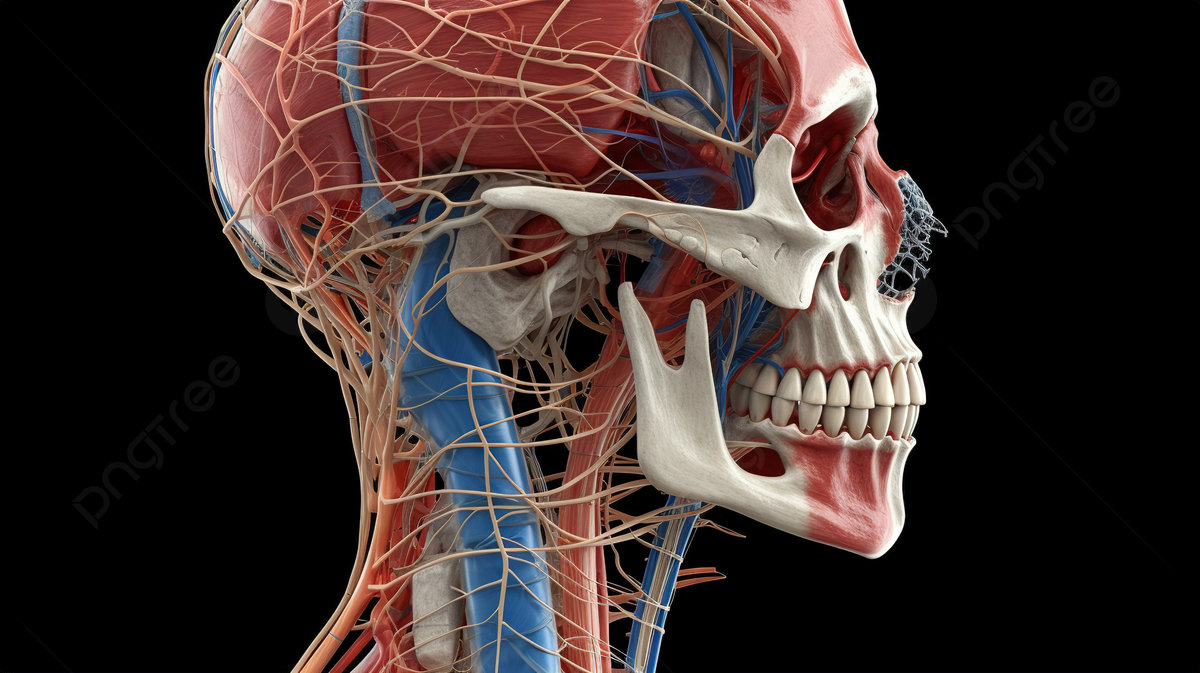

the heart and arteries form a powerful network that delivers blood and oxygen throughout the entire body.
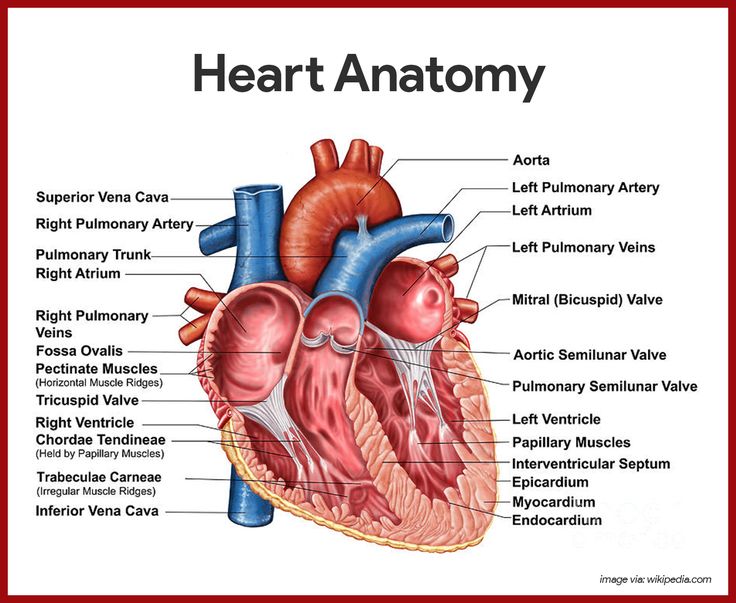
Muscle and tissue make up this powerhouse organ. Your heart contains four muscular sections (chambers) that briefly hold blood before moving it. Electrical impulses make your heart beat, moving blood through these chambers. Your brain and nervous system direct your heart’s function. The heart weighs between 7 and 15 ounces (200 to 425 grams) and is a little larger than the size of your fist. By the end of a long life, a person’s heart may have beat (expanded and contracted) more than 3.5 billion times.

Arteries and veins link your heart to the rest of the circulatory system. Veins bring blood to your heart. Arteries take blood away from your heart. Your heart valves help control the direction the blood flows. Your arteries start branching out from your aorta, which gets blood from your heart. From there, arteries continue to branch out into smaller and smaller vessels going all through your body. What do arteries look like? Arteries look like tubes. They have thicker and more muscular walls than veins so they can handle the force of blood coming from your heart’s left ventricle. Think of them like your furnace ducts (but flexible) that take warm air throughout your house when your furnace is running. Your aorta, your largest artery, is about 10 millimeters (mm) to 25 mm (.4 inch to .9 inch) in diameter. Other arteries can be 3 mm to 5 mm (.11 inches to .19 inches) in diameter, while the smallest arteries, arterioles, can be .30 mm to .01 mm in diameter.
Leave a Reply