
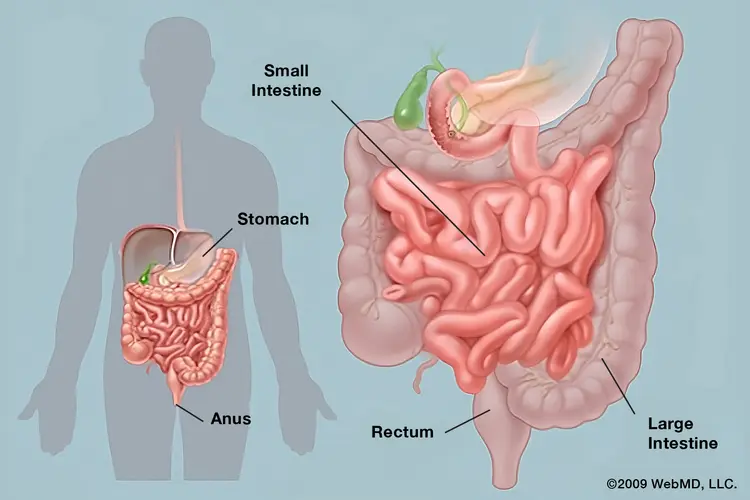
An introduction to the role of the gut in digestion, hormones, ımmunıty, and overall health.
Why gut health is important
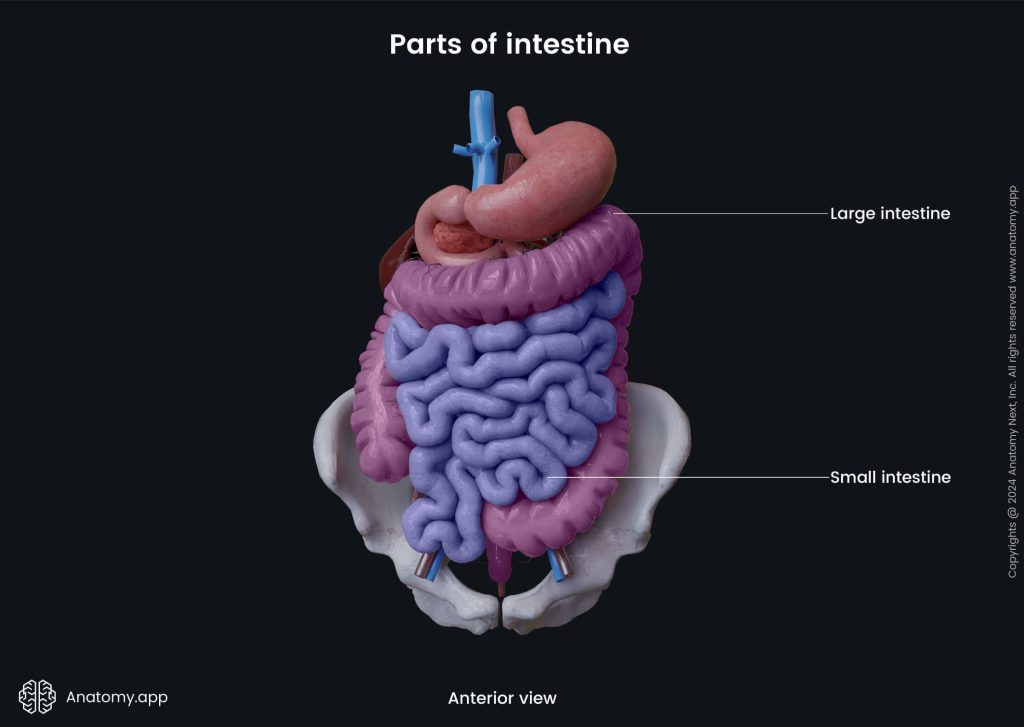
The gut breaks down the foods you eat and absorbs nutrients that support your body’s functions.
The importance of the gut to our overall health is a topic of increasing research in the medical community. Research is showing us that our gut microbiome can affect every organ in our body.
A higher level of diversity in gut bacteria is an important indicator of the health of your microbiome. While research is ongoing, it appears that your gut health plays an important role in your overall health.
How to improve your gut health
Dietary fibre in foods can improve your gut health as it can help keep us regular, reduce the risk of bowel cancer and feed the healthy bacteria in our gut.
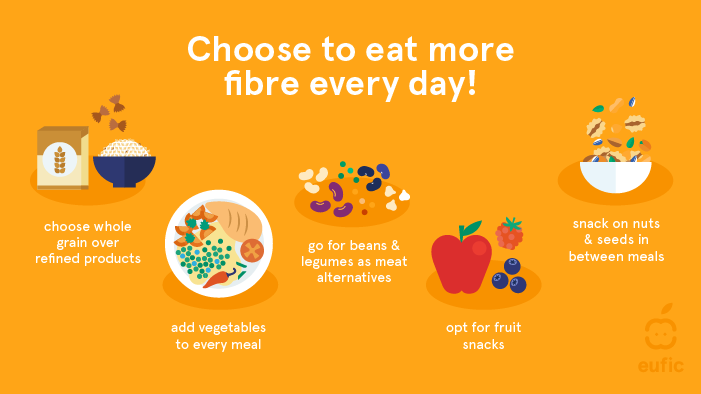
Wholefoods, such as fruits, vegetables, legumes, wholegrains and nuts,
may prevent the growth of some bacteria linked to diseases and inflammation.Our lifestyle, for example physical activity, good sleep and stress reduction are also good for gut health. Your gut bacteria are influenced by what you eat. It is important to give them the right fuel to have a balanced gut microbiome.
The best way to maintain a healthy microbiome is to eat a range of fresh, wholefoods, mainly from plant sources like fruits, vegetables, legumes, beans, nuts and wholegrains.
Eat a high fibre diet
Fibre is important for our gut health for many reasons. Fibre can affect the function of our gut, for example, the digestion and absorption of nutrients, how quickly or slowly things move through and the quality of our stools.
The breakdown of fibre by our gut bacteria can also create important products which can influence the development of gastrointestinal conditions such as bowel cancer. fibre gets fermented by gut microbiota, which is the term given to the entire collection of microbes living in our intestine, producing short-chain fatty acids (SCFA) from the fermentation of dietary fibres. The most common SCFAs are acetate, propionate and butyrate. They protect our health by improving insulin sensitivity and ensuring lower levels of glucose and lipids in our bloodstream. Over the long term this might improve energy balance which indirectly protects against cardiovascular diseases, obesity and type 2 diabetes
Leave a Reply